News
5 min read
Published on:

Embedded insurance has quietly become one of the fastest-growing distribution models in India. Not because insurance got popular, but because it stopped feeling like insurance.
When you buy a phone on Flipkart or book a flight on MakeMyTrip, protection shows up as a checkbox. One tap. Done. That simplicity is changing who buys insurance and when.
Why timing beats everything else
Traditional insurance requires intent. You wake up deciding you need phone insurance. Research providers. Compare policies. Fill applications. That’s friction for something you hope to never use.
Embedded insurance removes all of that. You’re already buying something, already in transaction mode. Adding protection doesn’t feel like a new decision. It feels like finishing the one you’re making.
Convenience drives most embedded insurance purchases. Not coverage details. Not price. Convenience. Customers are eliminating future work they know they won’t do.
Loss aversion kicks in at checkout. You’ve just committed money to something valuable. Your brain calculates risk immediately. One cracked screen, one theft. The fear of regretting not buying protection outweighs cost hesitation.
The trust transfer problem
Traditional insurers spend years building brand trust. Embedded insurance borrows trust from the platform.
Someone buying from Flipkart trusts Flipkart. When Flipkart offers protection, that trust transfers. Customers aren’t evaluating an unknown insurance provider. They’re trusting a platform they’ve already chosen.
This makes distribution powerful. But it creates hidden risk.
When claims go wrong, customers blame the platform, not the insurance company behind the scenes. Difficult processes, denied payouts, long waits. All of that damages the platform’s brand.
Customers who have positive claims experiences become brand advocates. The entire brand, not just the insurance. Claims become a platform experience issue, not an insurance operations issue.
Most platforms realize this too late. They focus on attachment rates and commission. Then customer complaints start showing up on social media, and embedded insurance becomes a brand risk.
What customers want vs what they’re getting
Extended warranty is the most purchased protection type. But extended warranties only cover manufacturing defects after the manufacturer’s warranty expires. That’s one risk.
Most damage doesn’t come from defects. Phones get dropped, stolen, water damaged. Laptops have liquid spilled on them. Appliances get damaged during delivery.
Customers increasingly prefer bundled protection with multiple coverage types. Not because they’ve analyzed risk. Because bundled protection removes the mental work of figuring out what’s covered when something breaks.
Platforms offering genuinely comprehensive protection have real differentiation. The challenge is most insurance infrastructure isn’t built for multiple coverage types in one simple product.
The measurement gap
Most platforms measure success through attachment rates. What percentage clicked yes? Revenue per transaction?
These show if you’re selling insurance. Not if insurance creates value.
What actually matters: Do protected customers stay more active six months later? When someone files a claim, does platform usage increase or decrease afterward? Are protected customers making repeat purchases?
These behavioral metrics are harder to track. But they show whether embedded insurance works as a relationship tool or just generates commission.
Claims experience matters more than any other factor. Customers with smooth claims become platform advocates. That advocacy value exceeds the commission earned on the original sale.
Most platforms don’t measure this because it requires tracking behavior over time, not just checkout conversion.
Why some categories work
Three categories dominate: electronics, appliances, luxury goods. Each for different reasons.
Electronics work because damage is inevitable. Phones, laptops, wearables get used constantly, exposed to risk daily. Protection covers what will probably happen.
Appliances work differently. Lower usage frequency, but high cost when things break. Repair or replacement costs enough that protection feels like a smart hedge.
Luxury goods are driven by emotional regret more than cost. Losing something valuable creates specific stress that protection addresses.
What these share: customers can visualize the risk. They’ve experienced it or seen it happen. That visualization makes protection relevant.
This explains why embedded insurance struggles in some categories. If customers can’t imagine what would go wrong, protection feels unnecessary.
The infrastructure problem
Most platforms think about embedded insurance as partnership. Find an insurance provider, integrate their API, start offering protection.
But insurance isn’t just technology. It’s regulatory compliance, claims operations, customer service, policy administration, risk management.
Platforms treating embedded insurance as purely tech integration discover operational complexity when claims volume increases. Customer complaints about denied claims, slow payouts, confusing processes. Because customers see the platform as responsible, these become platform problems.
The alternative is building insurance infrastructure in-house. But that requires expertise most platforms don’t have. Insurance is specialized with specific regulations, risk methodologies, operational knowledge.
This creates a gap. Platforms want revenue without operational complexity. Most solutions today make platforms choose between full ownership (high complexity) or partnership (low control).
What’s actually happening
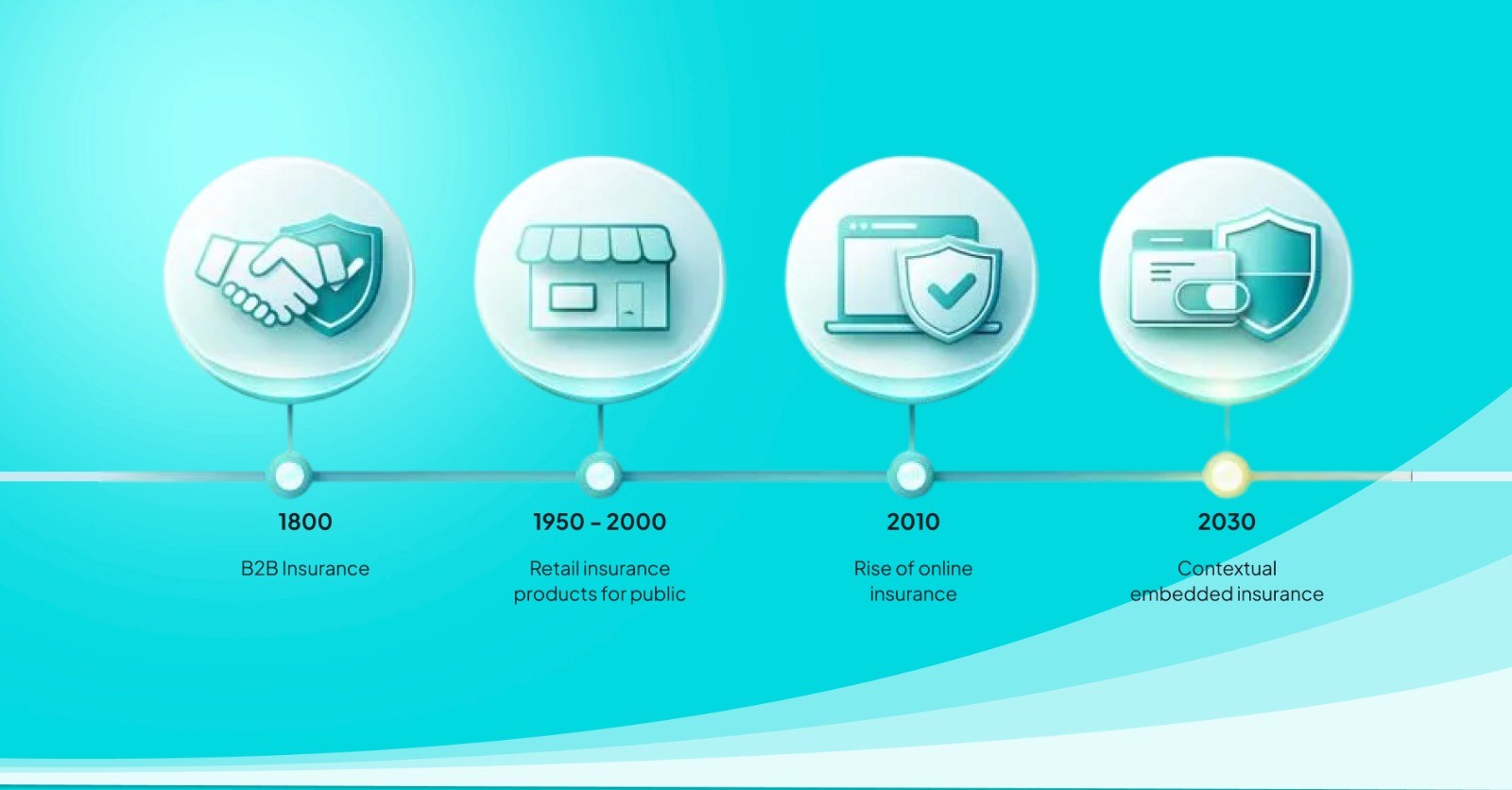
Embedded insurance is moving from add-on revenue to infrastructure. Like payments, it’s becoming something platforms need to stay competitive.
The platforms figuring this out early will have advantage. Not from selling more insurance, but from owning the experience when customers need help. That ownership creates loyalty.
The challenge is building or accessing infrastructure to make this work. Most platforms aren’t ready yet.
At Assurekit, we’re building protection infrastructure that lets platforms own the entire experience without becoming insurance experts. The insight driving this: embedded insurance’s real opportunity isn’t distribution. It’s who owns the customer relationship when something goes wrong.
Frequently asked questions

Written by